
Aspiring coaches
You want to learn from someone operating at a high level, not from a slide deck.
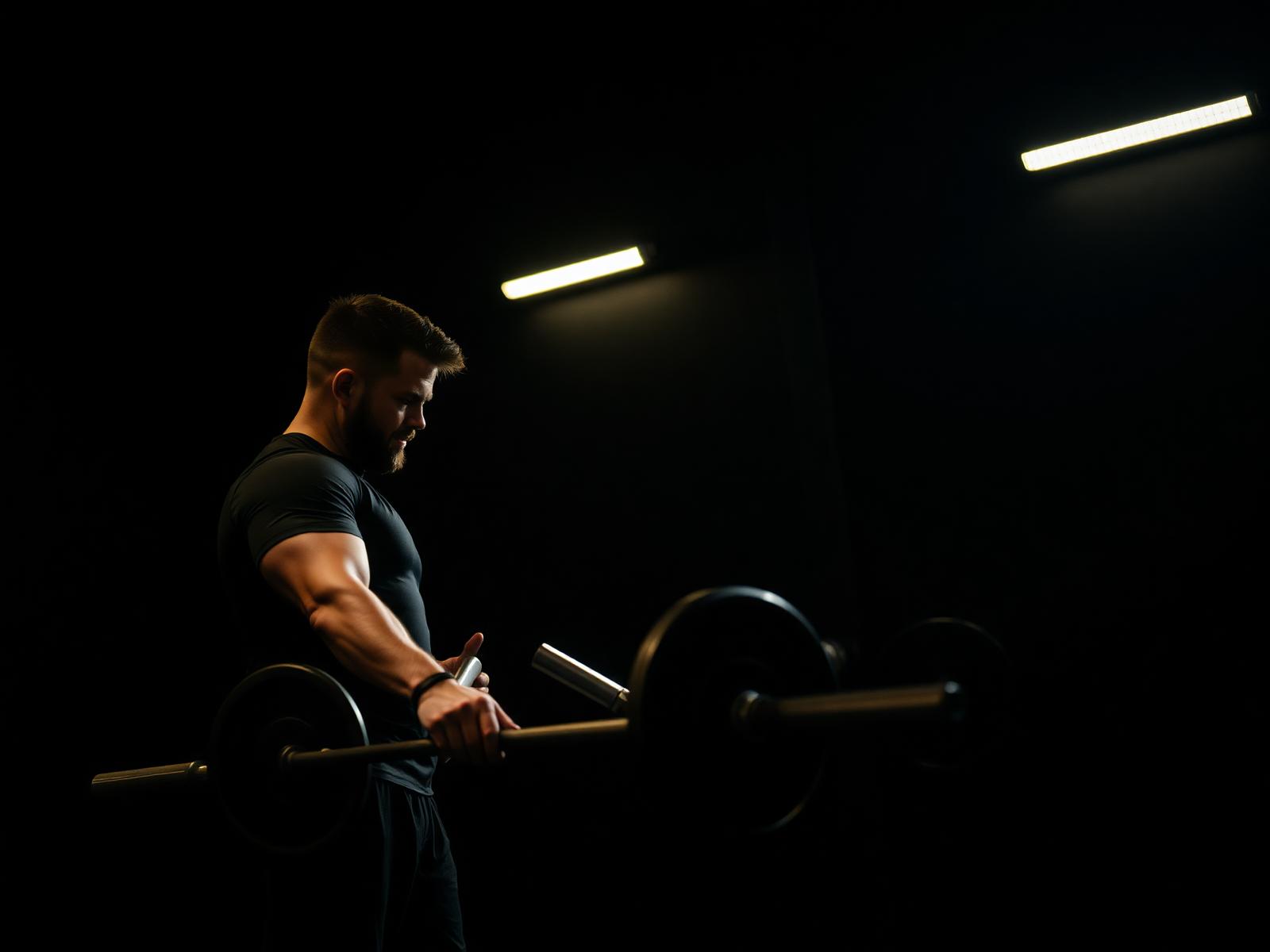
The Tropos Coach Education Series
A 3-part hands-on workshop for people who want to coach at a high level. Back. Shoulder. Knee. Taught by someone who has lived through the injury, studied the body, and coached through the complexity for a decade.
The Core Angle
Good coaching isn’t just programming and cueing. It’s knowing what you’re looking at when something goes wrong, and having the confidence to act on it.
The Tropos Coach Education Series is built by someone who has lived through the injury, studied the body, and coached through the complexity for 10+ years. Each session goes deep on one of the three injury patterns coaches encounter most.
Injuries and pain do not need to be avoided. They need to be addressed.
Who It’s For
You want to learn from someone operating at a high level, not from a slide deck.
You want to sharpen your injury literacy and stop referring out on reflex.
You have the science. You want the floor. And maybe a pathway to coach at Tropos.
A practical framework for identifying & managing common injuries
Confidence to coach through limitations, not just refer out
Insight into how an experienced coach thinks through complex cases
A potential pathway to coach at Tropos FC (if it’s a fit)
Included with every workshop
Yours to keep — the frameworks, screens, progressions and coaching cues from the day, laid out so you can use them with clients on Monday morning.
A private follow-up session to work through your own client cases and ask the questions that come up once you’re back on the floor.
Three Workshops
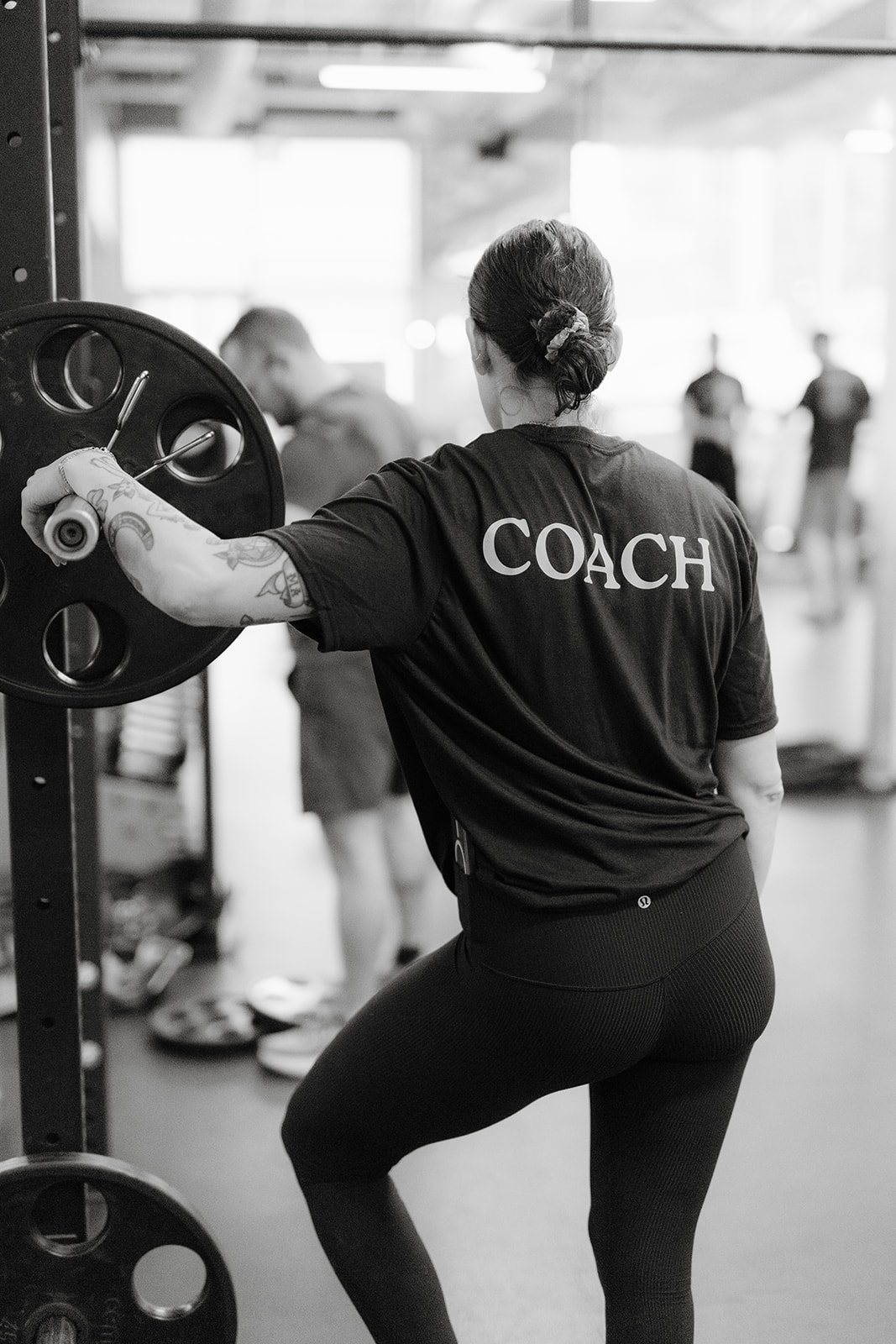
Overcoming the Fear
The injury most coaches feel least equipped to handle.
The Reality
Most coach education on back pain is purely theoretical. When a client says, “My back is acting up,” most coaches panic, “work around it,” refer out, and lose the client’s momentum. Injuries and pain do not need to be avoided — they need to be addressed.
What We’ll Cover
The Mindset Shift
Moving from fear-based avoidance to confident, safe coaching.
Red Flags vs. Green Lights
Knowing what to look for, what to avoid, and when to keep athletes moving safely.
Modifying the Hinge & Pull
Master the art of teaching anyone — from elite athletes to gen-pop — how to think through movements and establish new patterns. Learn what their injuries are really telling you about root causes, not just symptoms.
Hands-on Coaching
Team breakouts to practice real-time coaching adjustments.
Who It’s For
Aspiring and current coaches who want to build bulletproof confidence in their movement assessments, and kinesiologists looking to bridge the gap between clinical theory and real-world floor execution.
Apply to attend Part 01This date has passed
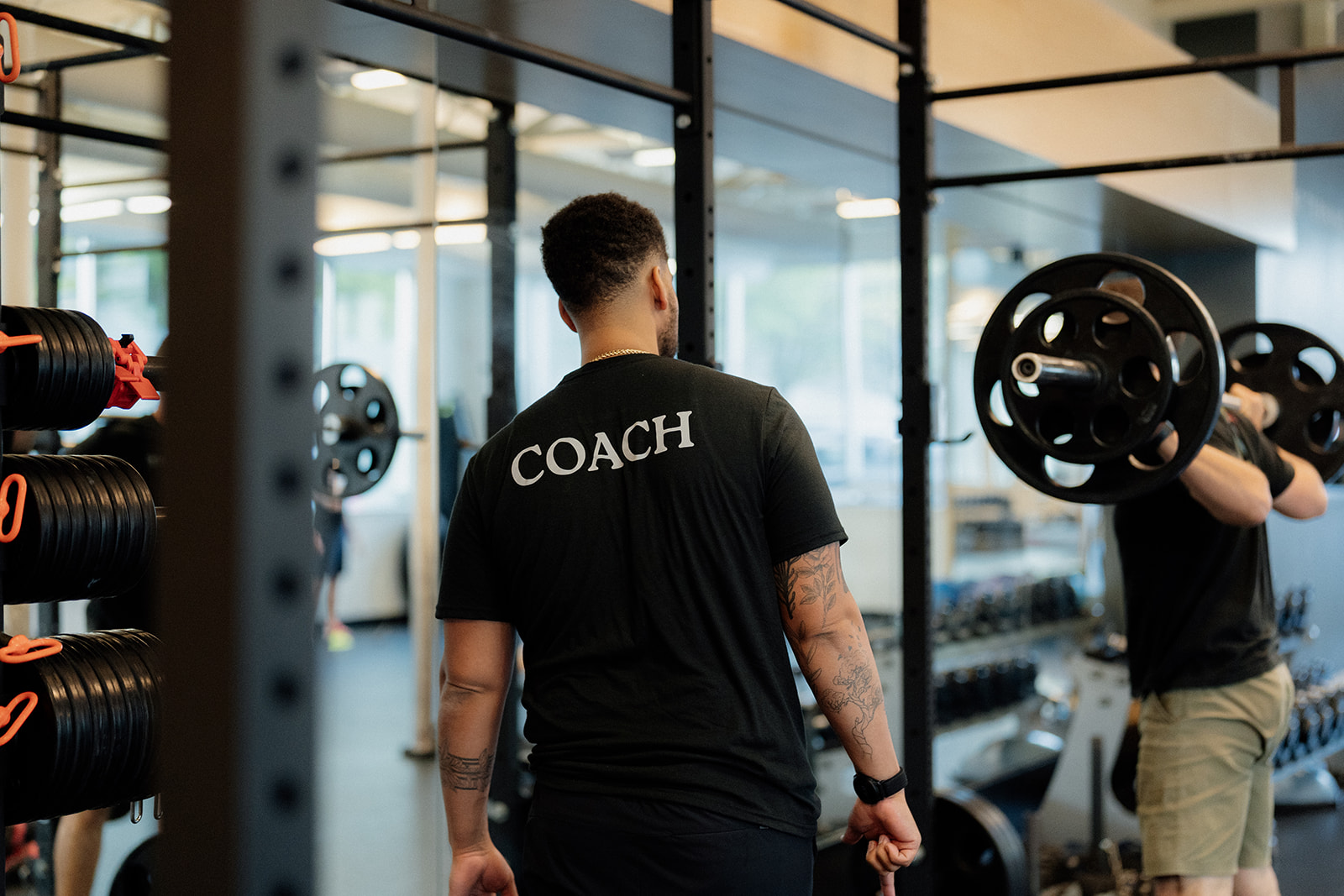
Decoding the Upper Body
From rotator cuff issues to impingement and post-op returns.
The Reality
To many coaches, the shoulder is a black box. When a client complains of pinching during a press, the default response is usually “stop pressing.” But unless a client experienced a violent impact, shoulder pain is almost always a wear-and-tear issue caused by faulty movement patterns and muscular imbalances. Restoring shoulder health isn’t about avoiding movement — it’s about teaching proper upper-body mechanics, working through manageable discomfort, and rebuilding the structures around the joint to restore the client’s confidence.
What We’ll Cover
Reading Upper-Body Biomechanics
Read a client’s press and pull patterns in real time. Learn to decipher what shrugging, scapular winging, or an anterior shoulder dump is telling you about lower trap firing, serratus anterior weakness, and rotator cuff imbalances.
Teaching the “Why” (Internalizing Movement)
Go beyond standard verbal cues. Teach clients how to think through upper-body movements, understand how to establish a stable scapular base, and actively feel the correct muscles engage.
The Pressing & Pulling Modification Matrix
Master the specific modifiable factors for upper-body movements. Every injury and every client is unique — learn the different levers we can pull as coaches to adapt movements to the specific issues a client is presenting.
Building Confidence Through Load
How to systematically find a tolerable entry-point exercise and safely progress clients past limitations so they can get back to pain-free pressing.
Who It’s For
Aspiring and current coaches who want to master upper-body assessments, and fitness professionals who want to stop avoiding shoulder issues and start active, structural rehabilitation.
Apply to attend Part 02This date has passed
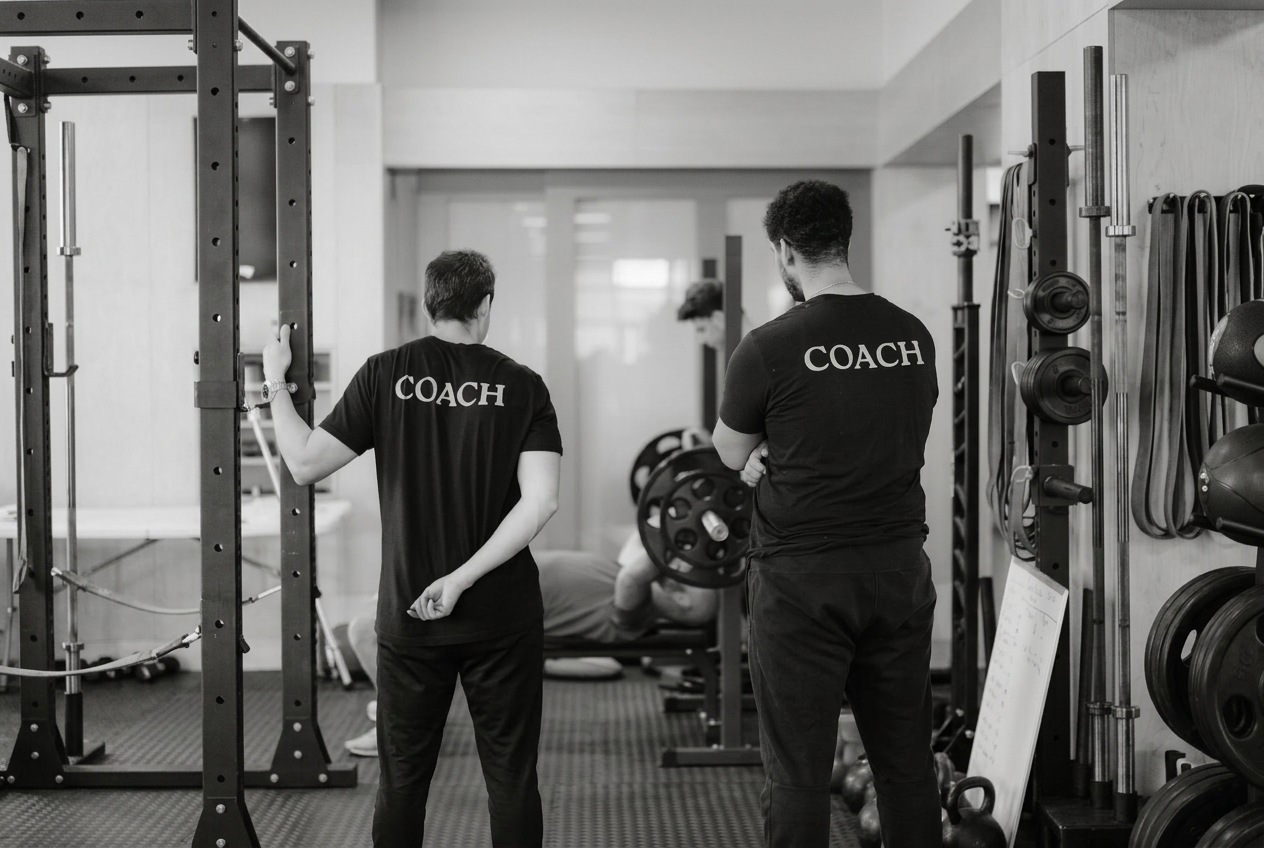
Restoring the Lower-Body Chain
Teaching clients how to move, engage, and trust their body again.
The Reality
Unless there is a direct, violent impact, knee pain is rarely just a joint issue — it’s a movement pattern issue. Telling a client to simply “stop squatting” is lazy coaching that strips away their quality of life. Our job is to teach proper lower-body mechanics, guide clients through manageable discomfort, and rebuild the surrounding structures. By shifting our focus from avoiding pain to teaching movement, we help clients build absolute confidence and keep them in the game of life.
What We’ll Cover
Reading Lower-Body Biomechanics
Read a client’s movement in real time. Learn to decipher what a collapsing knee, a shifting hip, or a lifting heel is actually telling you about muscle engagement, foot stability, and movement imbalances.
The Mindset Shift (Building Confidence)
Knee pain often leads to fear-avoidance. Learn how to coach a client through the mental block of loaded lower-body patterns, moving them from fear to safety and confidence.
The Art of Lower-Body Cueing
Go beyond standard commands. Practice the Tropos training rule of “Show it. Say it. Shape it.” to teach clients how to think through their squats and lunges — rooting their feet, finding their hips, and actively controlling knee alignment.
The Rebuilding Process (Regress to Progress)
Find a tolerable entry-point pattern on the gym floor. Guide a client through progressive, pain-free loading over several weeks, teaching them to listen to their body and earn the right to advance.
Who It’s For
Current personal trainers, kinesiologists, and student-athletes who want to master lower-body movement assessments, sharpen their coaching vocabulary, and learn how to guide clients back to full, pain-free patterns.
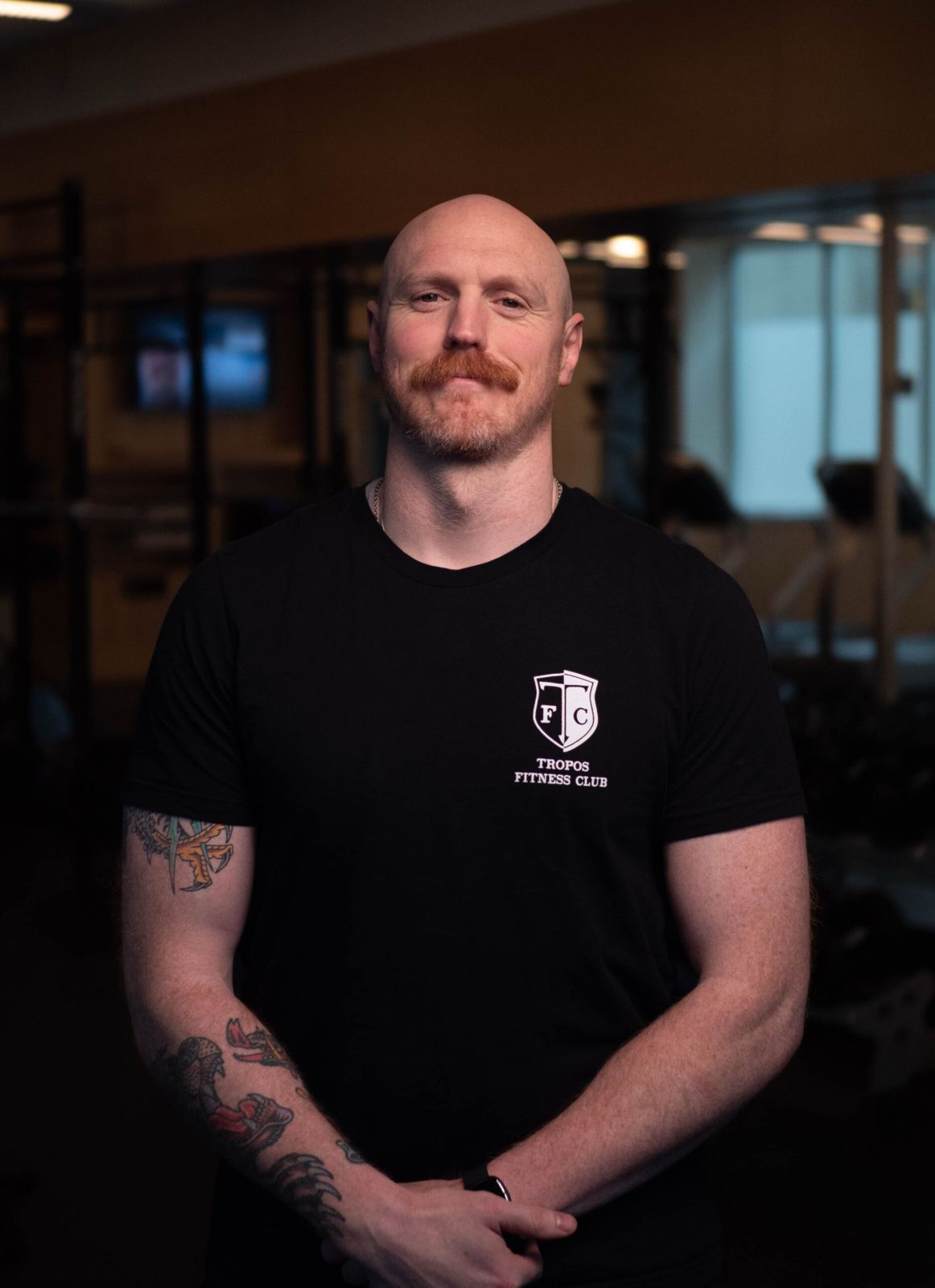
Your Instructor
Kinesiologist. Certified Strength & Conditioning Specialist. Former Canada Rugby player. Gym owner. 10+ years on the floor.
“In 2012, doctors told me my competitive sports career was over. I refused to accept that. I studied the body, decoded my own movement patterns, and rebuilt my spine from the ground up.”
Liam doesn’t teach this from a textbook. He navigated a career-ending back injury himself, rebuilt from it back to playing rugby and running ultra-marathons, and has since coached athletes and gen-pop through hundreds of injury setbacks.
This series is what he wishes he’d had access to when he was starting out.
Dates & Format
Three Sundays this fall at Tropos Fitness Club — September 27, October 25, and November 29. Space is intentionally limited so the sessions can stay hands-on and high-touch. Apply below to secure your spot.
Back Injuries
Overcoming the Fear
Sunday, September 27
This date has passed
Shoulder Injuries
Decoding the Upper Body
Sunday, October 25
This date has passed
Knee Injuries
Restoring the Lower-Body Chain
Sunday, November 29
Inside Tropos
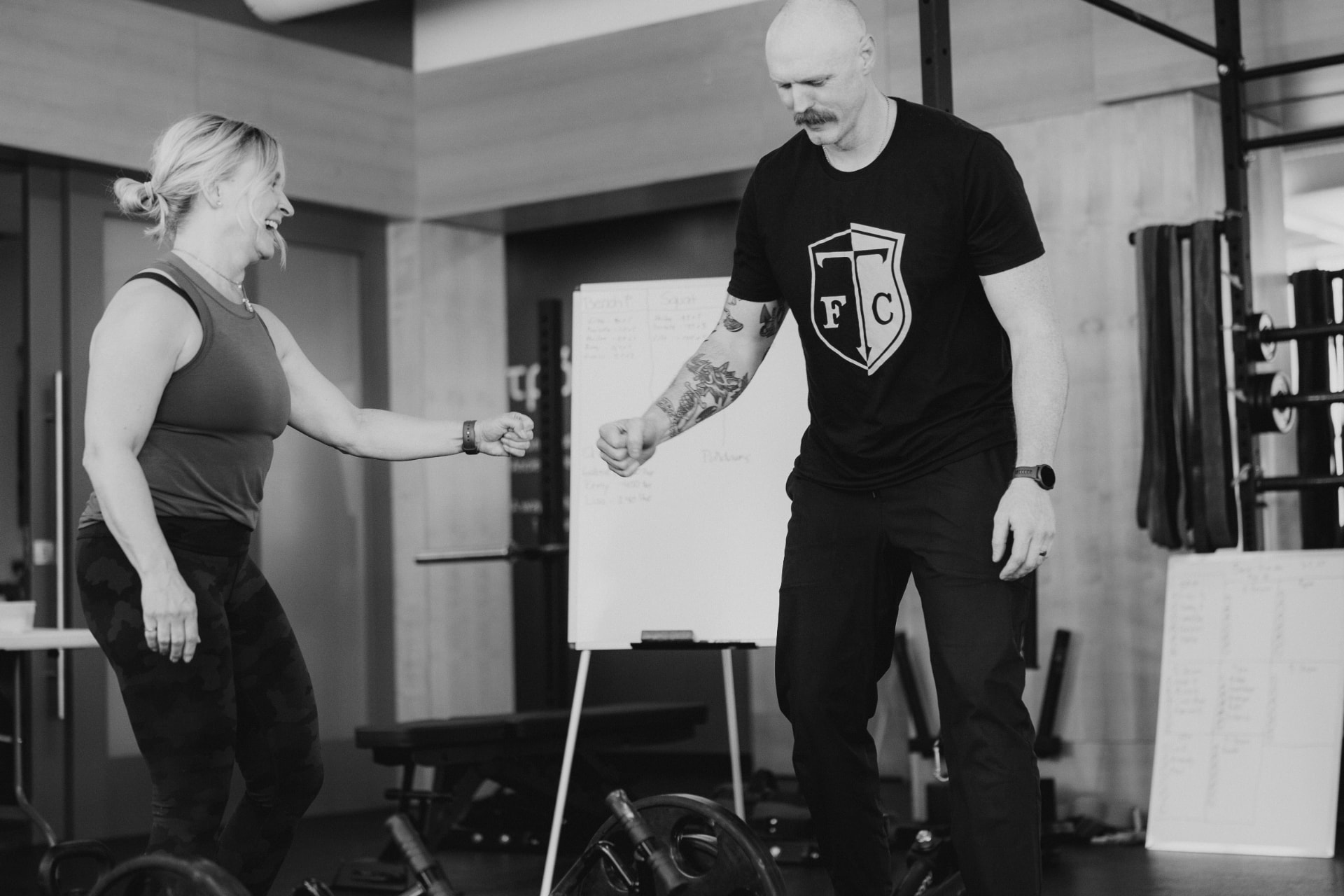
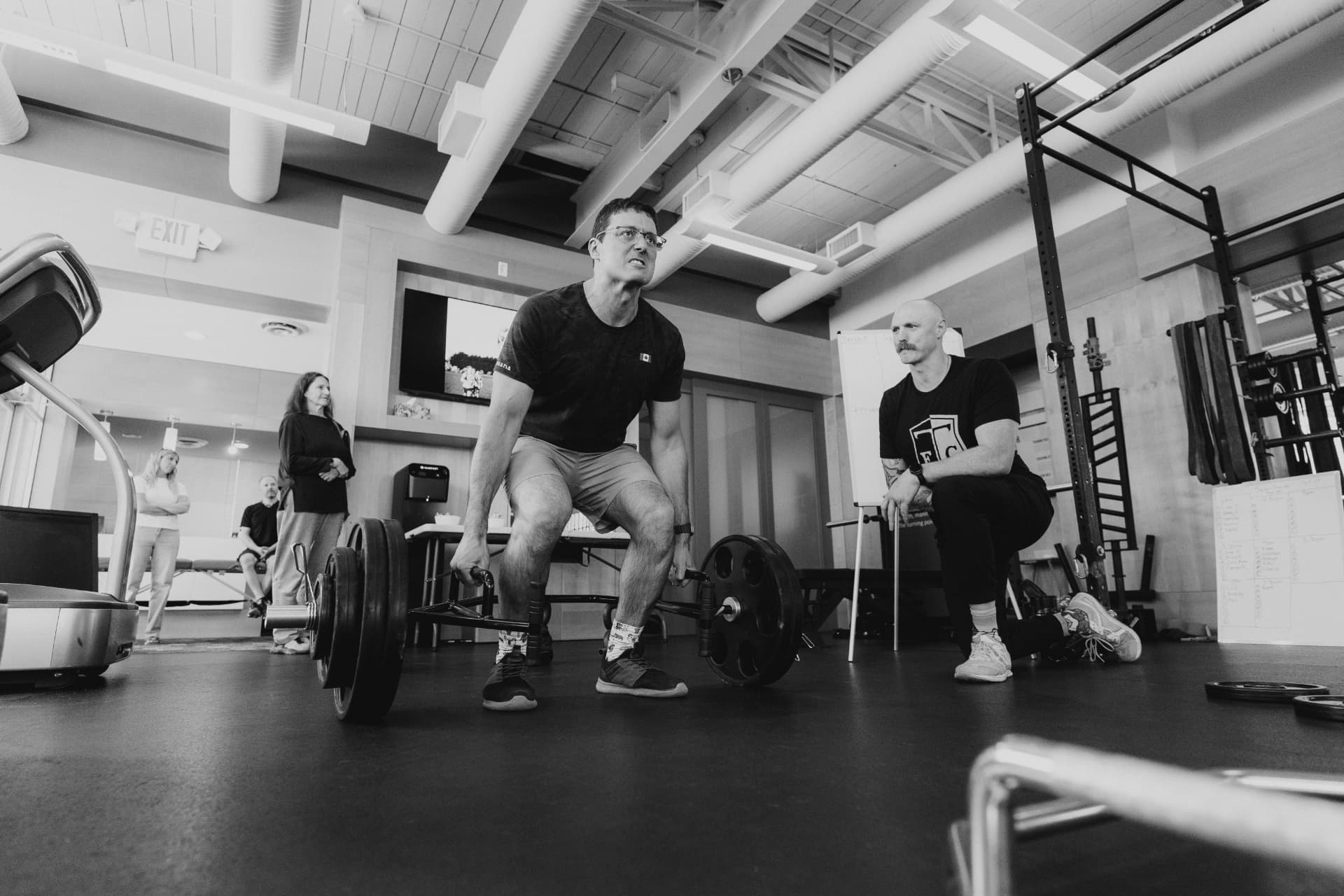
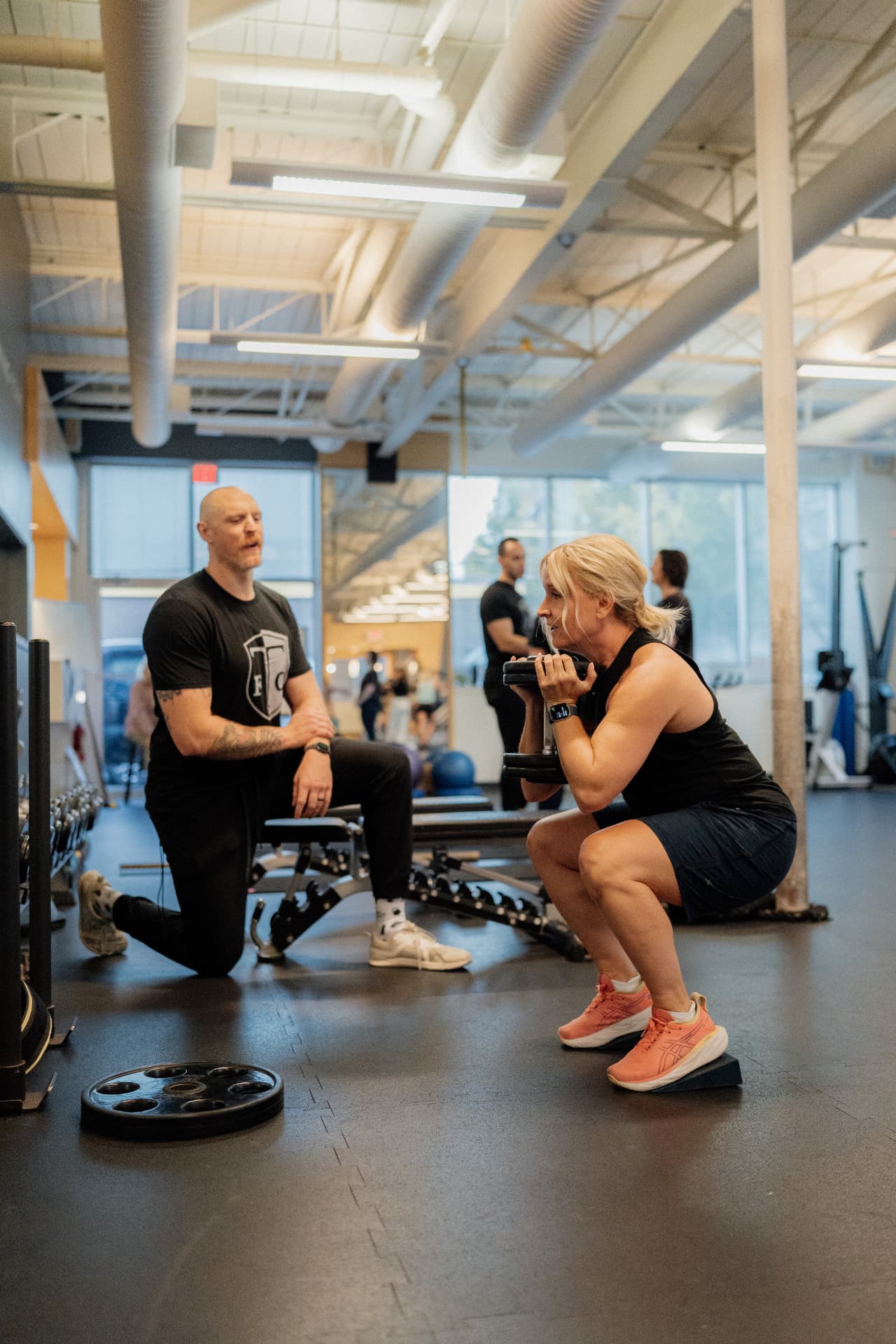
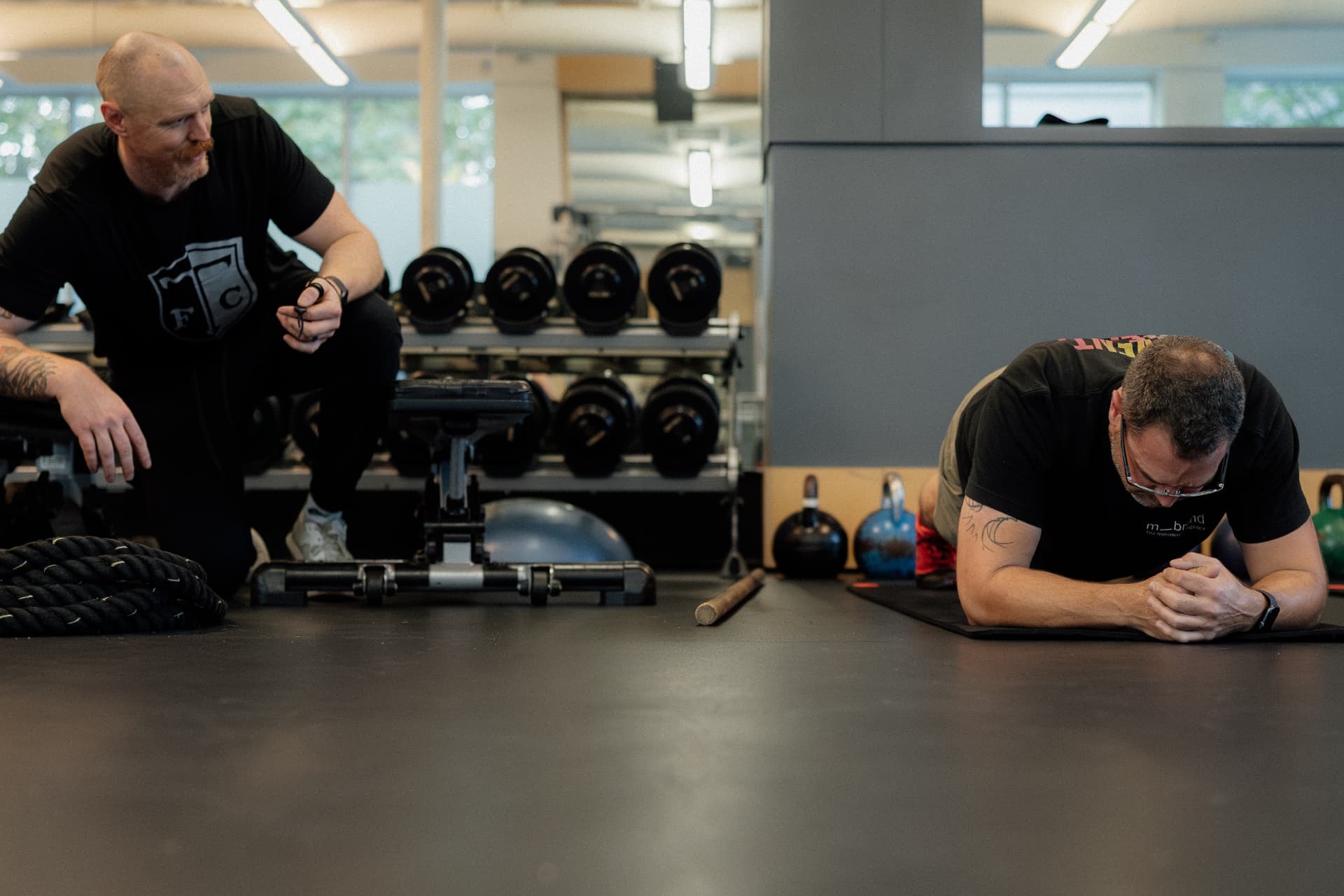
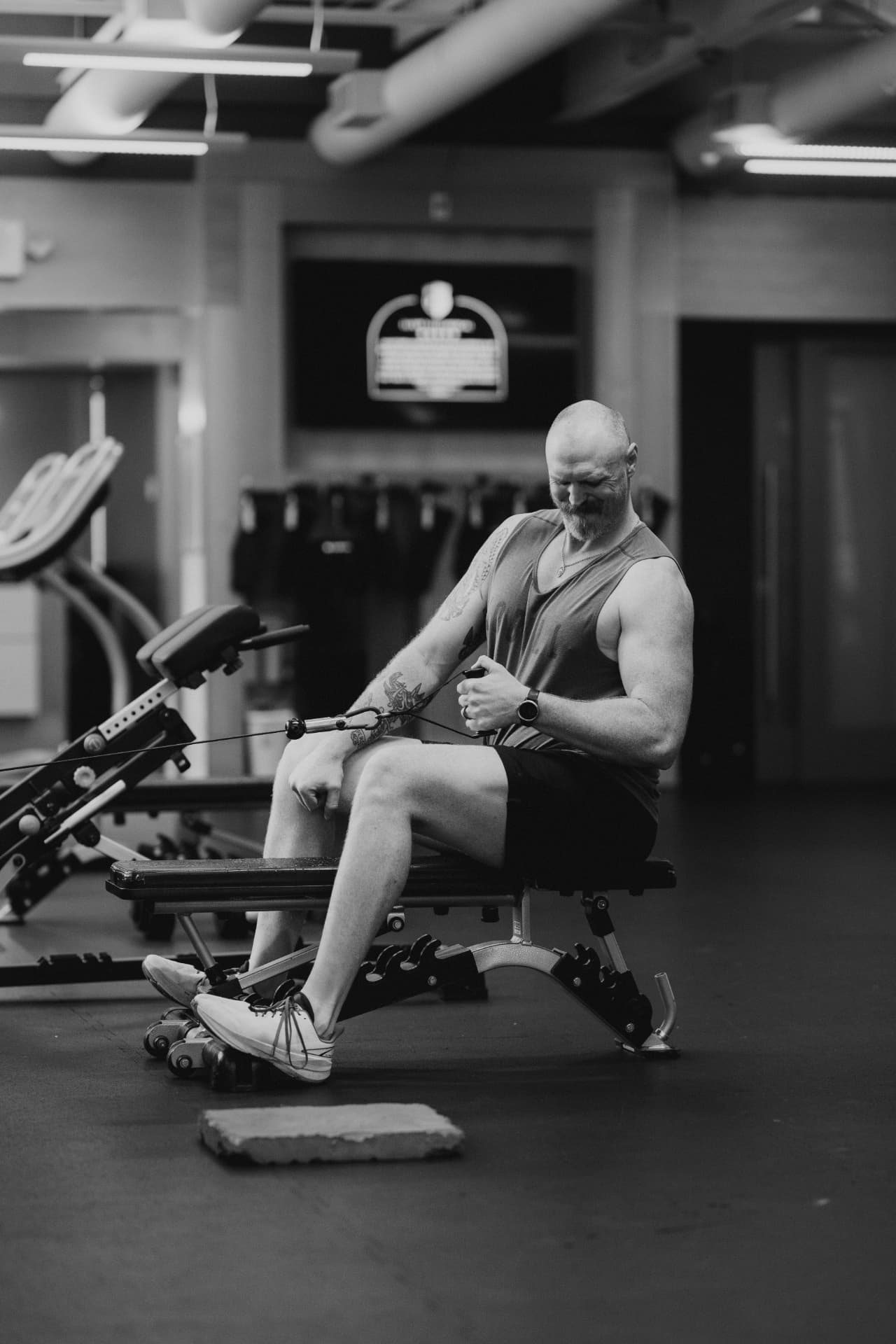
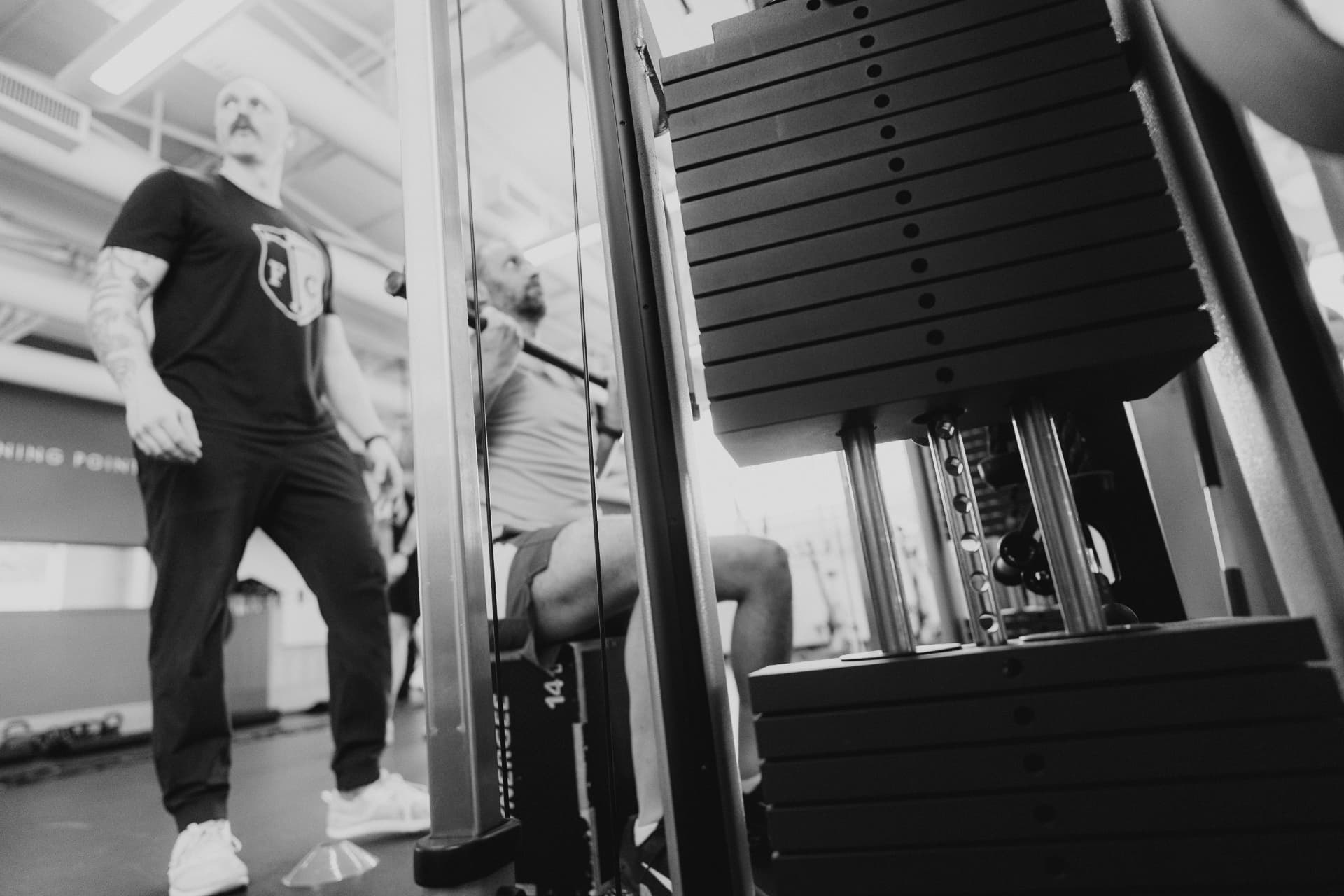
Real coaches. Real reps. Real conversations. A look at how we work on the floor at Tropos Fitness Club.
Apply to Attend
Space is intentionally limited. These workshops are designed to be small, hands-on, and high-touch. Send Liam a short note about who you are, where you coach, and which parts you want to attend.